Skin and emollients ·
Cream, ointment, lotion or gel
An emollient shelf looks like dozens of different products. Most of the visible difference is one variable: how much water is in it.
The four formats
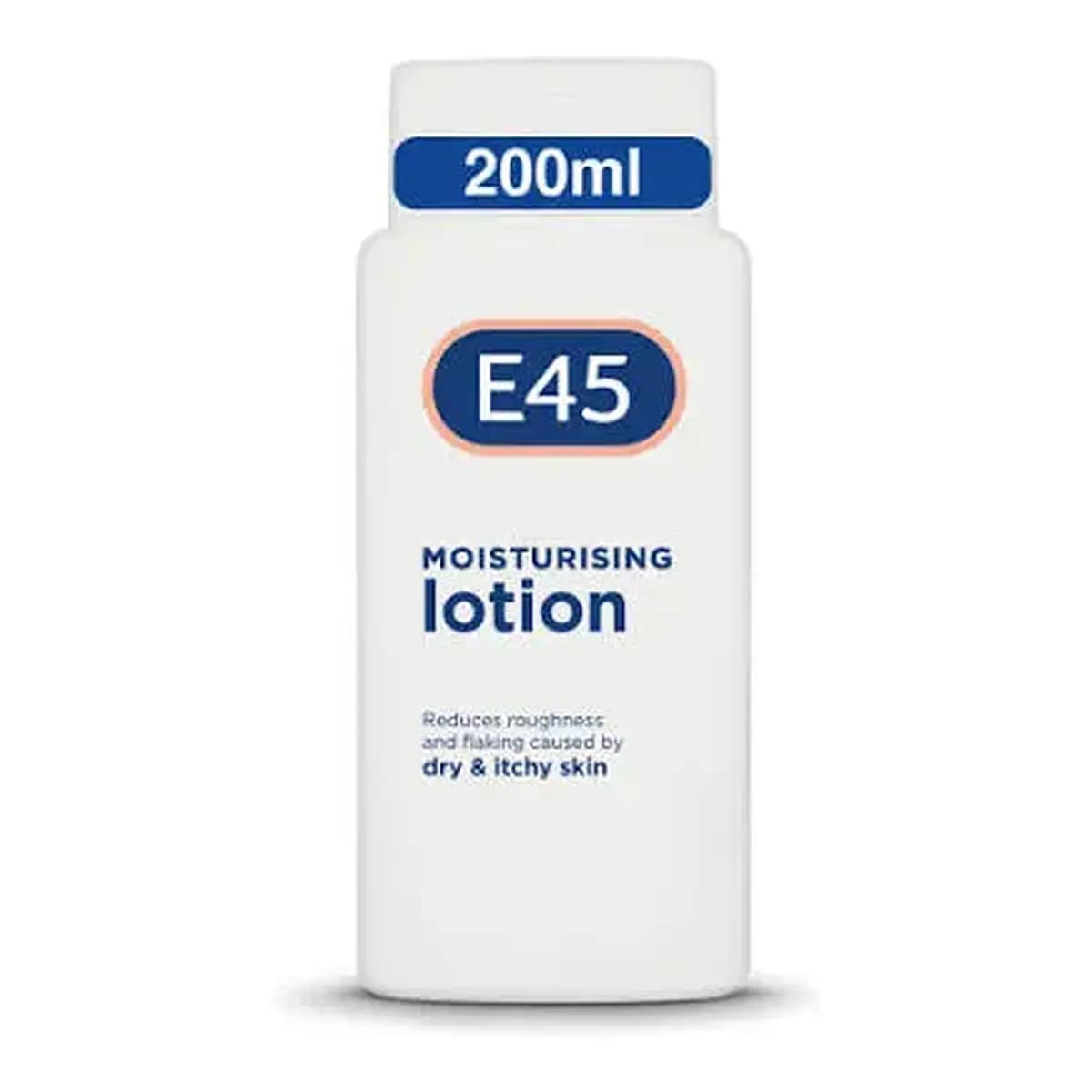
Lotions hold the most water. They are the thinnest, spread furthest, and sink in fastest — which also means they are the shortest-lived on the skin.
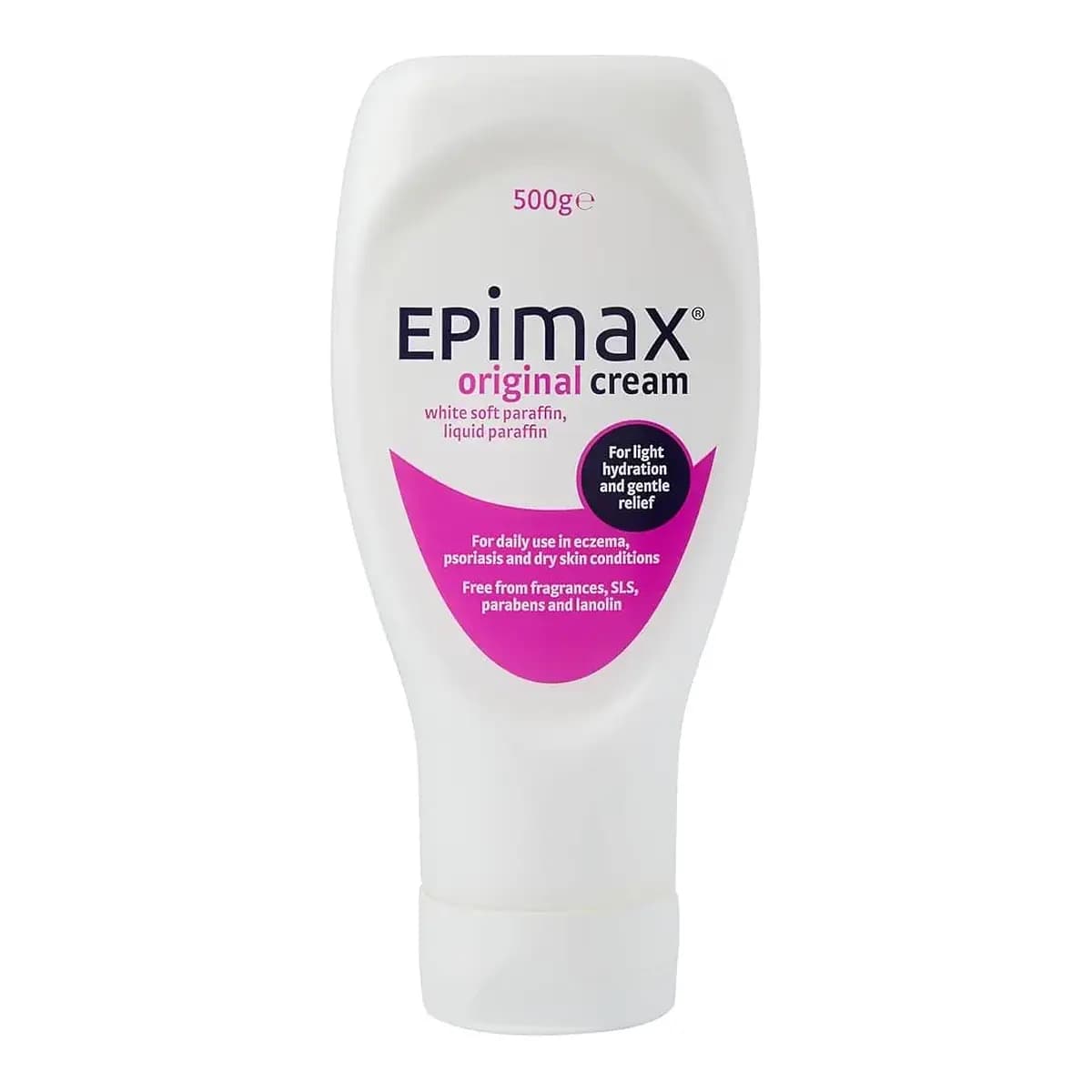
Creams are the middle, and it is not an accident that most of the shelf is creams. Of the emollients we stock, the large majority are creams.
Gels sit oddly in the sequence: they feel light going on, like a lotion, but are formulated to behave more like a cream once absorbed. Epimax Isomol Gel is the example on our shelf.
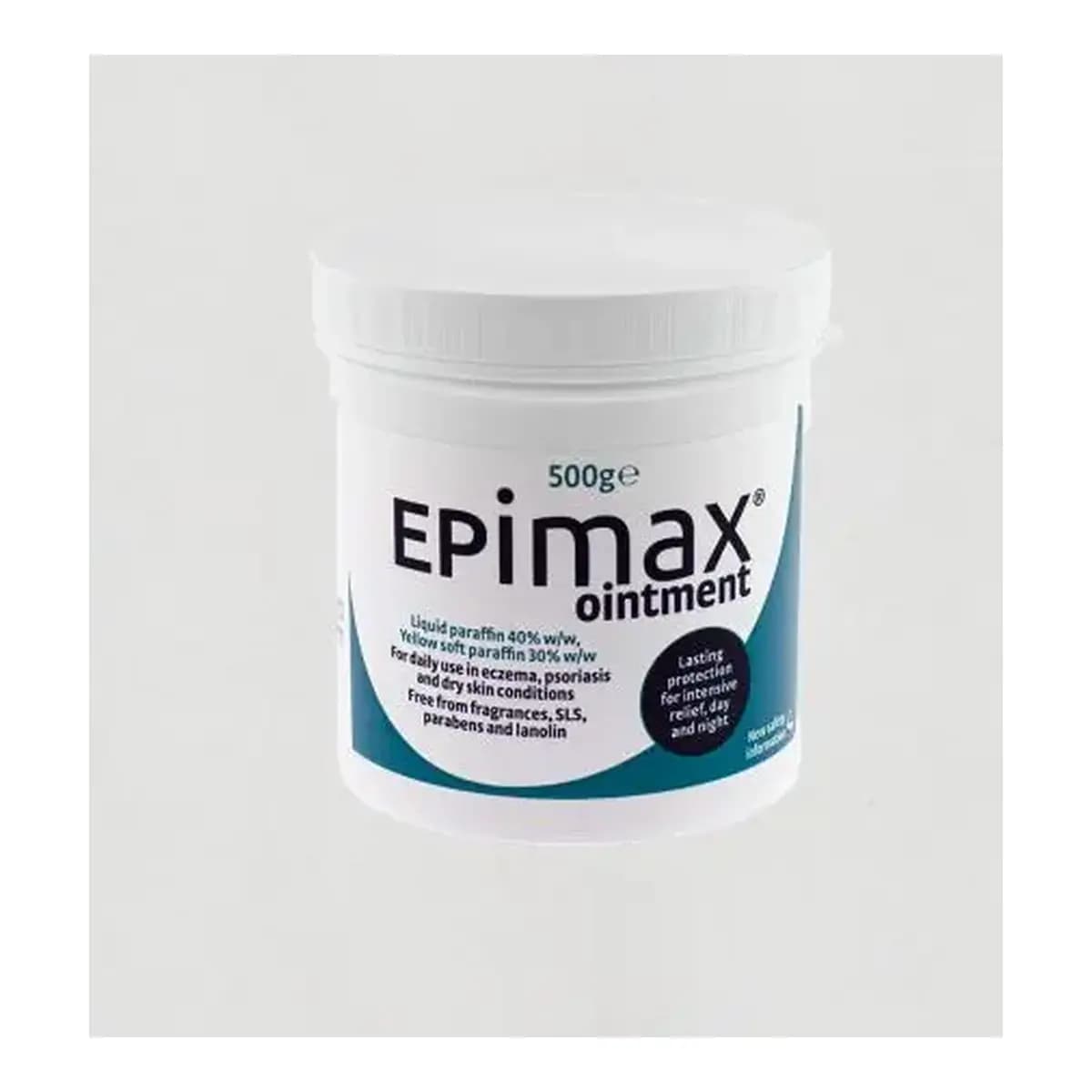
Ointments contain little or no water — they are largely paraffin. They are the greasiest, the longest-lasting, and the least pleasant to wear under clothes.
The trade-off nobody puts on the front
Greasier lasts longer. Lighter is easier to live with. That is the whole decision, and it is why people are often given more than one: something heavy for overnight, something light for daytime.
It is also why "which is best" has no answer. An ointment that you will not actually put on does nothing at all.
Pack size is part of the choice
Emollients are used generously and often, so pack size matters more here than almost anywhere else in a pharmacy. Most of what we stock is 500g or 500ml, with 100g tubes for a bag or a desk drawer.
If you are using a 100g tube quickly, the 500g pot is usually the cheaper way to buy the same product — the unit price on each of our product pages shows you by how much.
A note on "emollient" as a word
It appears in several product names — Zeroveen Emollient Cream, Zerodouble Emollient Gel, Cetraben Emollient Cream. It is a description of what the product is for, not a brand or an ingredient, and it does not tell you anything about the format. Read the second word.
What we are not going to tell you
Which emollient suits your skin, or how to use one. That is a conversation for a pharmacist, a GP or a dermatology nurse, and if you have been given a specific product by one of them, keep using that one.
Always read the label and the information supplied with the product before use.